
 SNU Big Data Knowledge Information Platform
Full Menu
AI
Your Browsing History

4 More
 loading...
Report registration
Paper List
조선 후기 회화와 공예에 나타난 수박문
Author
구혜인
Journal Title
한국학
Publication Year
2014
Topics
Summary
This study reveals that the watermelon motif in late Joseon dynasty painting and craft reflects complex social contexts such as literati culture, filial piety, and ritual, beyond a simple desire for many children. Watermelons in paintings were appreciated for their internal structure, and white porcelain ewers imitating the shape of a watermelon were produced in craft, among other expressions. This confirms that the watermelon in the late Joseon dynasty was a unique visual cultural material with distinct social meanings.
Related Content
LikeSNU analyzes your query semantically to recommend related resources.
-
 민화의 맛 : 회화적인 매력으로 감상하는 서민민화 80점
-
 촉각의 미술관 : 동아시아 시각예술을 새롭게 느끼다
-
 궁중의례미술과 十二章 圖像
-
 (한국의) 나한도
-
 조선시대 회화의 교류와 소통 : 조선시대 회화 연구의 새로운 접근
-
 한국학의 학술사적 전망 =
-
 조선시대 도자기 =
-
 조선 예술에 미치다 : 무색미학으로 본 한국인의 미의식
-
구연 전통과 서사
-
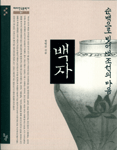 순백으로 빚어낸 조선의 마음, 백자 =
-
 한국자수 이천년 =
-
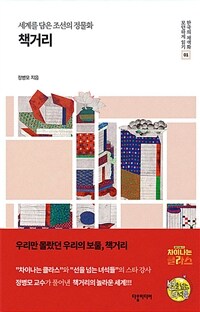 책거리 : 세계를 담은 조선의 정물화
-
 미술은 아름다운 생명체다
-
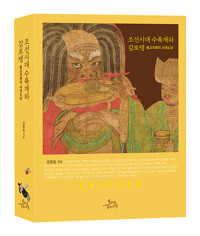 조선시대 수륙재와 감로탱 : 불교의례의 시대도상
-
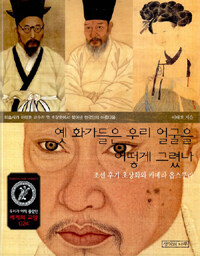 옛 화가들은 우리 얼굴을 어떻게 그렸나 : 조선 후기 초상화와 카메라 옵스쿠라
-
 도자기 : 마음을 담은 그릇
-
 식물은 어떻게 작물이 되었나 : 게놈으로 밝혀낸 먹거리의 비밀
-
 한국의 화훼영모화
-
 동서양 그림에서 사랑의 비밀을 읽다
-
 바다음식의 인문학 : 싱싱한 바다 내음에 담긴 한국의 음식문화
Previous
Next
Previous
Next
Previous
Next